
One number stopped us this week.
In one year, the share of employees exposed to a critical level of information overload jumped by 35%. That's the 2026 benchmark from the Observatory of Information Overload and Digital Collaboration, published with Mailoop, covering nearly 30,000 employees.
Chat has just overtaken email as the top internal channel. 3h29 of digital interruptions per week for an employee. Up to 11h08 for an executive.
We always read these numbers the same way: too much information. We think we're getting the diagnosis wrong.
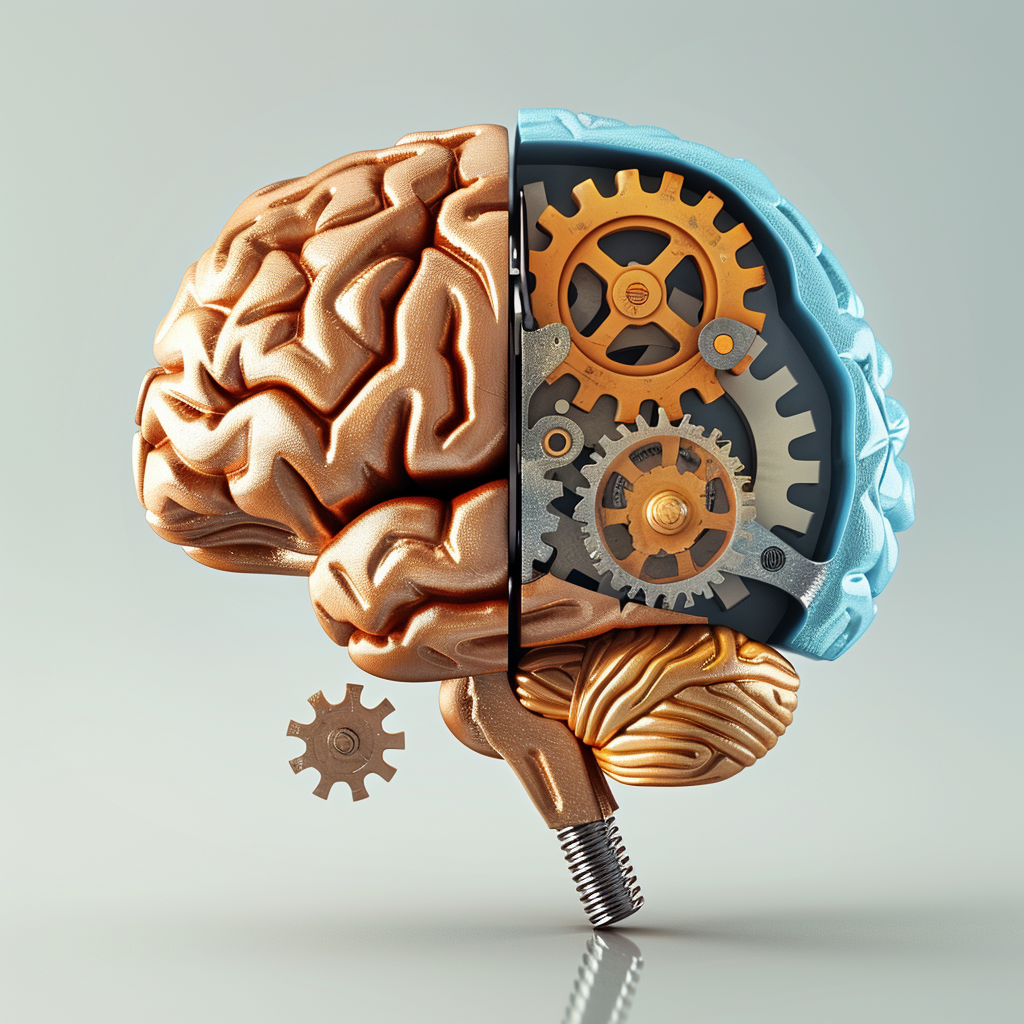
The problem isn't information. It's attention.
Information has never been so abundant, or so cheap. What has become scarce is the ability to stop on it.
Attention is the only company resource you can't store, buy, or catch up on. A lost hour of attention never comes back.
Think of your browser. Forty tabs open. None truly read. That's not a content problem. It's saturated attention.
Your teams live their entire day like that.
Every solicitation has a cost no one invoices
3h29 of interruptions a week isn't 3h29 lost. Each interruption fragments focus, and it takes time to pick up the thread again. The real cost is far higher than the time on display.
That cost appears on no budget line. Yet it is the company's real budget: available brain time.
Traditional training spends attention. It doesn't respect it.
Here's the uncomfortable truth for our own profession.
A two-hour module dropped into an already saturated calendar is one more tab.
A forty-slide course assigned without asking when the person will ever open it is one more tab.
An LMS turned into a library where content is dumped just in case is a warehouse of tabs no one will open.
We believed training meant adding. In an already saturated brain, adding means diluting.
Respecting attention is a design choice
Look at how you learn outside work. You don't watch twelve seasons in a row. One episode. Then another, when you're available.
The brain works in small, spaced, digestible doses. Ebbinghaus showed it over a century ago: what isn't reactivated is 70% forgotten within days.
Microlearning with impact isn't about multiplying capsules. That would just be noise in a smaller format.
It's about activating three useful minutes at the right moment, then reactivating them when the brain is ready to anchor them. That's the principle of the Learning Routine®: don't dump, circulate. Respect attention instead of fighting for it.
Protect attention, don't cut the budget
Let's be clear. The answer to information overload isn't to train less.
That would be the worst possible reading. The answer is to stop wasting your teams' attention, and to make every minute of training truly useful.
Stop measuring a completion rate. Start measuring a behaviour that changes.
You're not short of information. You're short of available attention.
And no one has ever anchored a reflex in a saturated brain.